
Finding Dayton Residents in Order
Begin with the fact you already trust. Need a current address? The Montgomery County Auditor's property search and the Treasurer's tax search return the parcel, the site address, owner names, and transfer clues. A person is different. An owner result is a lead. Confirm it through a separate official source, since Ohio's voter tool verifies one named registration while court and Recorder indexes can place a person in a dated public record. Each of these tools does one narrow job better than any general people list.
An address names a parcel, not its people. A tax mailing address can be for correspondence rather than a physical location. A recorded deed names the parties to an instrument, not everyone inside the house. So think of the Dayton residents directory as a trail of records that must agree on an address, a date, a parcel, a relationship, or a document number. Disagreement means keep looking. When the trail turns historic, the Dayton Room and the County Records Center are usually the next practical stop.
- Search the MCRealEstate property system by owner, address, or parcel and save the parcel identifier.
- Check the named record in Ohio's voter search with first name, last name, and Montgomery County.
- Use the Recorder's RISS portal for the recorded-document trail, then inspect the original image or physical index when needed.
- For an older household, consult Dayton Metro Library's directory catalog, newspapers, and obituary index rather than assuming a current portal reaches backward.
- Send a focused request to the custodian when a specific existing record is not online, identifying the record type, date range, address, or case number.
Where Dayton Resident Records Are Kept
Dayton's current records live at the county level. The Auditor identifies parcels and owners. The Recorder keeps recorded deeds, mortgages, plats, and related instruments. Voter records belong to the Board of Elections. A name inquiry can wander among these offices, since each holds a different kind of evidence; for a full address-by-address sequence, the Dayton street directory walks the parcel and deed chain in detail.
Montgomery County Recorder
451 W. Third St., fifth floor
Dayton, OH 45422-1387
937-225-4275
Montgomery County Board of Elections
451 W. Third St.
Dayton, OH
937-225-5656
Records Center & Archives
117 S. Main St., sixth floor
Dayton, OH 45422
937-225-6366
Most of the record offices cluster near West Third Street, among them the Recorder, Auditor, GIS, and elections offices. The archive is the handoff point for staff-retrieved historical series. The Dayton Room at the Main Library remains a separate but essential path for directories, maps, newspapers, and obituary citations.
Dayton Parcel Records Start the Search
The Auditor's MCRealEstate Owner Name Search is the best first stop for the Dayton residents directory once a Dayton address or owner name is in hand. Enter names as LastName FirstName. Wildcards work. Tax-year, sorting, and results-per-page controls sit nearby. Address and parcel modes build the same bridge from a street location to the county's parcel identifier. Save the site address, parcel ID, owner name, mailing address when shown, tax year, values, and transfer reference before changing systems.
The Auditor's owner-search screen shows the property entry point.
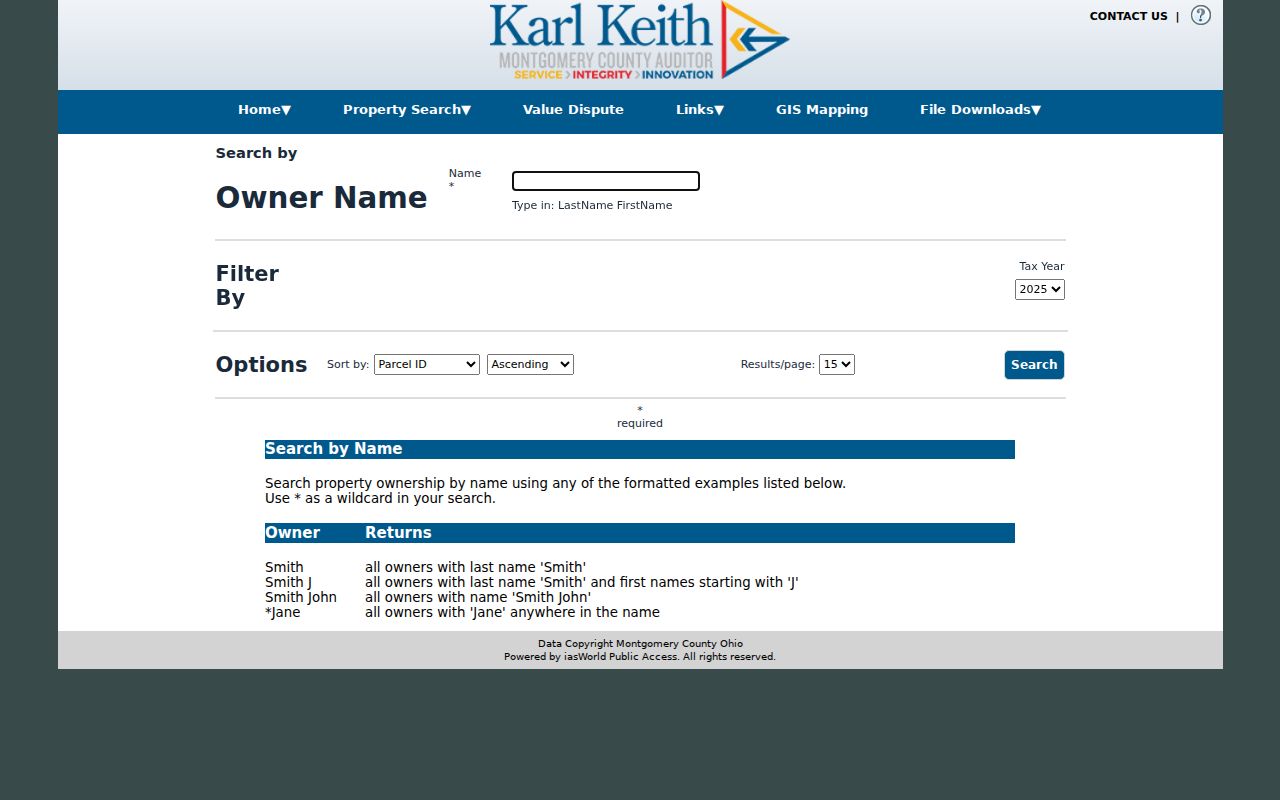
Those name-based controls are great for a property lead. A matching owner name alone still proves nothing about who lives there now.
| Field or result | Why it matters |
|---|---|
| Owner name | Starts a property record search and can be tested with spelling variants. |
| Site address and parcel ID | Connect the property record to tax, GIS, and recorded-document systems. |
| Mailing address | Shows correspondence information when present, not proof of physical presence. |
| Transfer reference | Points toward the Recorder document that should be checked next. |
Note: A parcel card can prove a property connection, but not every person who may be associated with that address.
Dayton Resident Voter Confirmation
Ohio's My Voter Information search takes a first name, a last name, and a county. Pick Montgomery County for Dayton. It returns one voter's registration, precinct, and polling place. It is not a street-by-street browser. No ballot choices appear. The tool does not reveal a full household either, so when the official instructions fit, try a prior surname, a derivative first name, or a former county address. The official voter lookup shows the fields behind a Dayton residents directory confirmation.
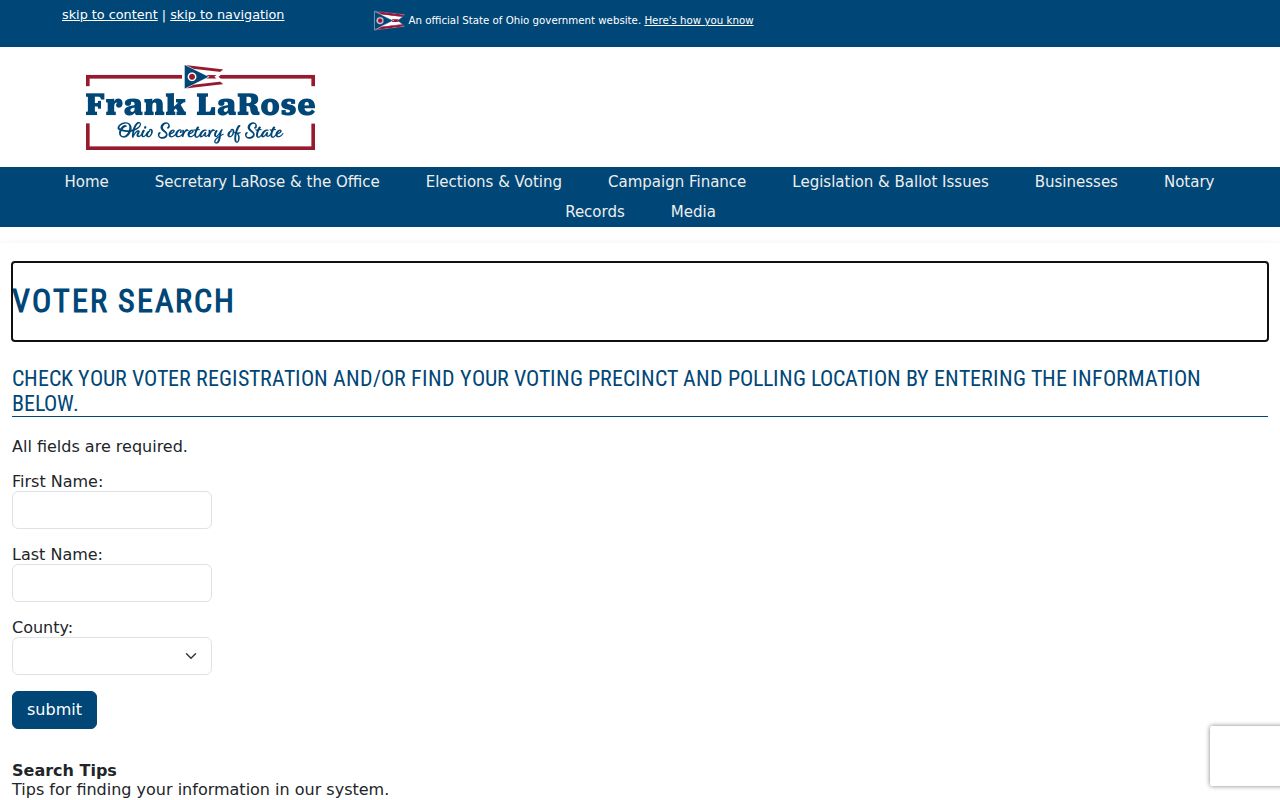
Registration information is public under Ohio law, subject to protected-address and confidential-data exceptions. A missing result can simply reflect a safeguard.
Dayton Court Names Need Context
Names land in different courts for different reasons. Montgomery County Public Records Online, called PRO, is the countywide court source for this Dayton residents directory, covering traffic, criminal, and civil Municipal Court matters, Common Pleas criminal and civil cases, Domestic Relations, and Second District Court of Appeals records. Dayton Municipal Court is separate. Its public pages give defendant, plaintiff, attorney, date, case-number, and docket routes of their own. Probate Court keeps its own channel. Estates, guardianships, marriage licenses, adoptions, and name changes all run through it. The PRO court search landing page starts that search.
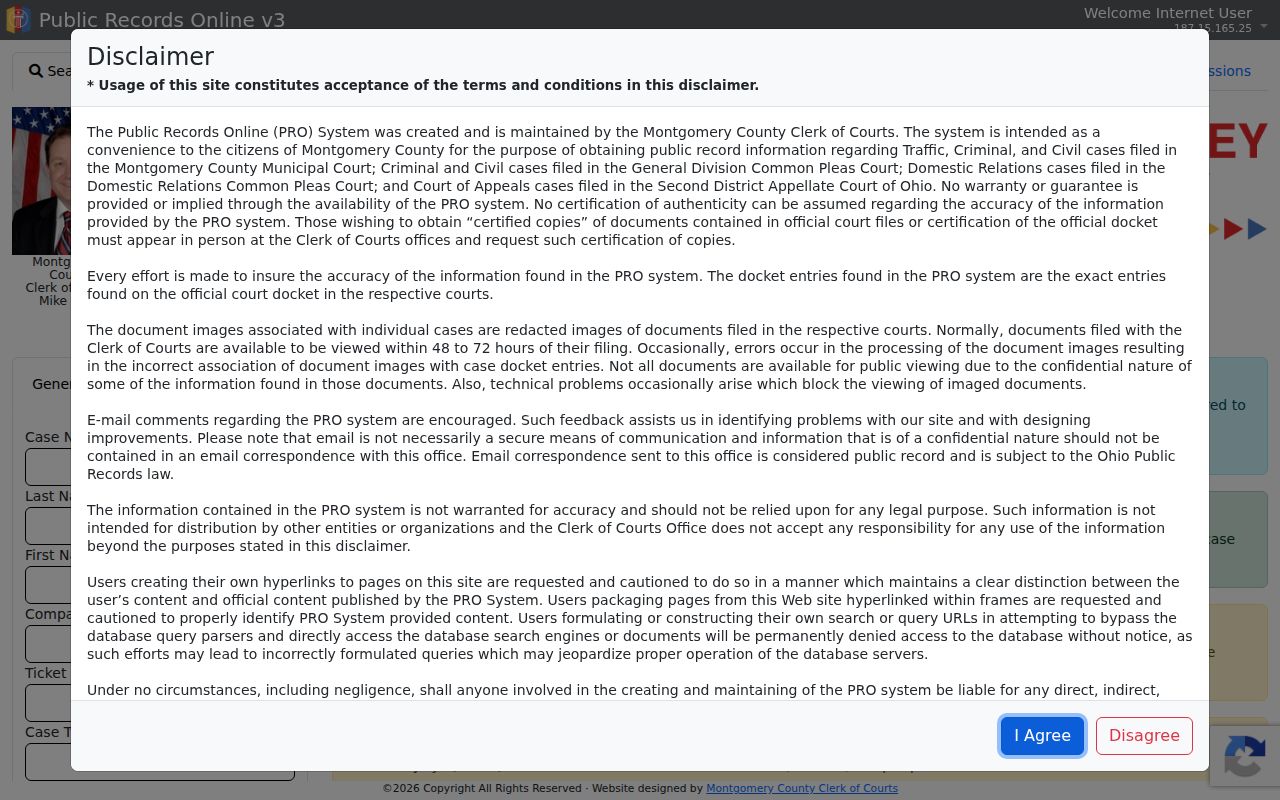
PRO caps web results at 1,000 and treats a web entry as a convenience, never a certified record. Narrow common names with the portal's current panels. Match any hit to a case number. The Dayton Municipal Court defendant search offers another dated name-and-case route.
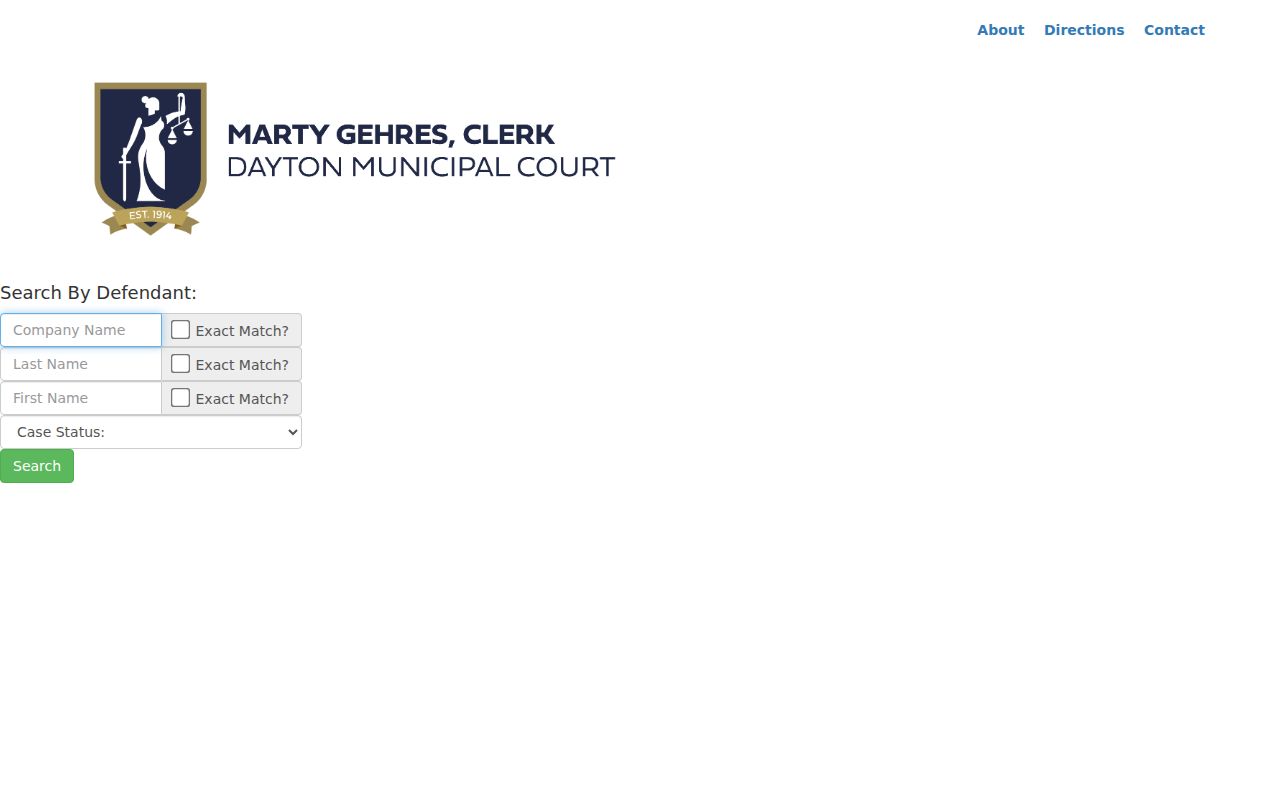
The controls fit a known party or case. Company, last-name, first-name, and exact-match fields do not work as a broad directory of Dayton residents.
Dayton Deed Names Follow the Parcel
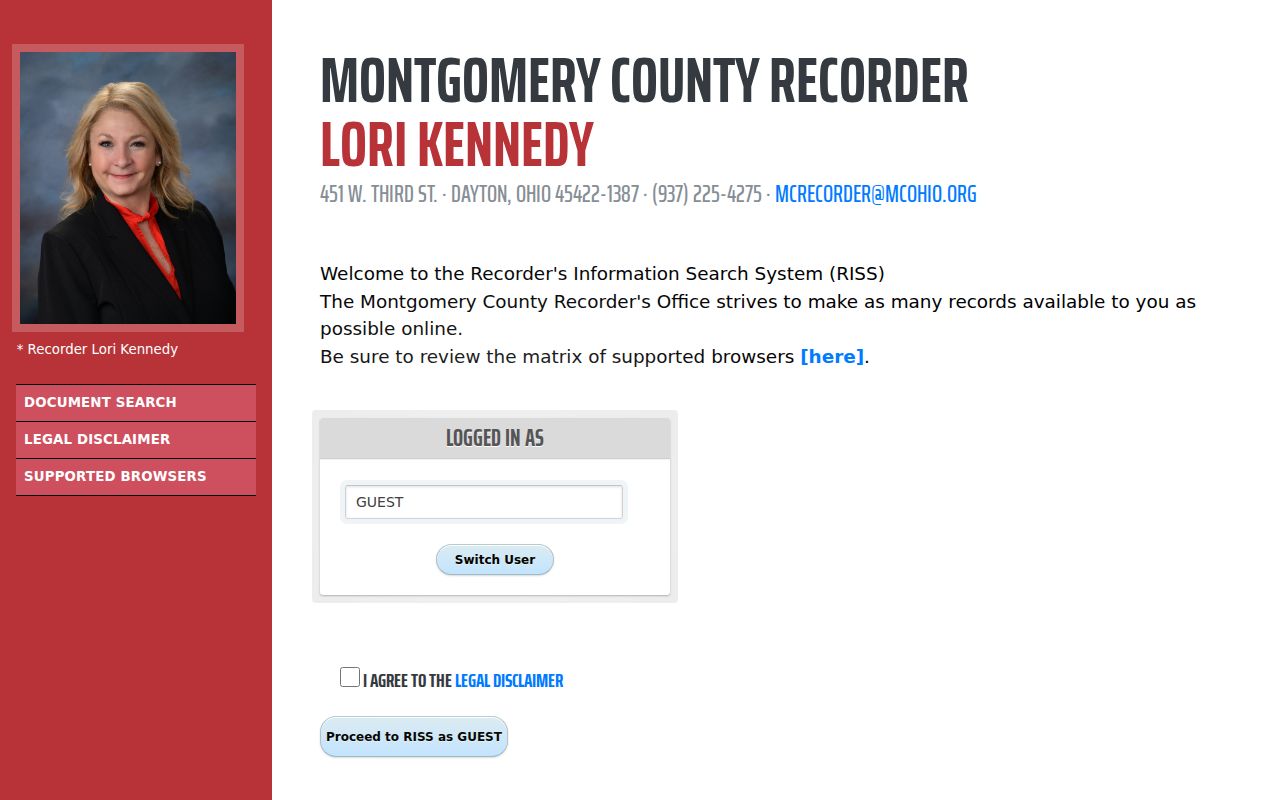
The Recorder's Information Search System is called RISS. It indexes recorded documents rather than tracking who lives somewhere now. Guest users accept a legal disclaimer before the search opens. Three search paths matter for a Dayton residents directory question. By Name demands a last or firm name. It takes an optional first name and matches with Begins With, Contains, or Exactly. By Municipality can be narrowed to DAYTON. By Type filters for deeds, mortgages, liens, plats, easements, leases, sheriff deeds, and other categories. The record image or counter record carries the legal description and party roles. Inspect that item rather than the index line. The RISS access screen is the county's official recorded-document gateway for the Dayton residents directory.
Title work on older Dayton property does not stop at a web result. The Recorder's alphabetical and tract indexes survive in books and microfilm reaching back to 1805. The Records Center also holds deed records and indexes covering documented historic spans, which serves the Dayton residents directory well for early parcels.
Current Dayton Resident Directory Sources
No single current roll names every Dayton resident. Each official or civic source answers a narrower question, and the keeper who created the record is the keeper to consult. Weight the source's limits into any conclusion you draw. The Dayton resident lookup process helps when one name must be verified across several record types in the Dayton residents directory.
| Dayton source | What it can show | Custodian | Access route |
|---|---|---|---|
| MCRealEstate / Treasurer | Parcel owner, site and mailing data, tax context | Auditor / Treasurer | Free online searches |
| Ohio voter search | Named voter's registration and precinct information | Secretary of State / Board | First name, last name, county |
| Recorder RISS | Recorded parties and instruments | County Recorder | Guest portal, counter, books, microfilm |
| City Resource Directory | Public civic-organization contacts | City of Dayton | Category, name, or A-Z search |
| County court systems | Public docket information by party or case | Clerk, courts, Probate | Portal and counter under court rules |
The Treasurer's selected-year tax search supplies a useful companion view.
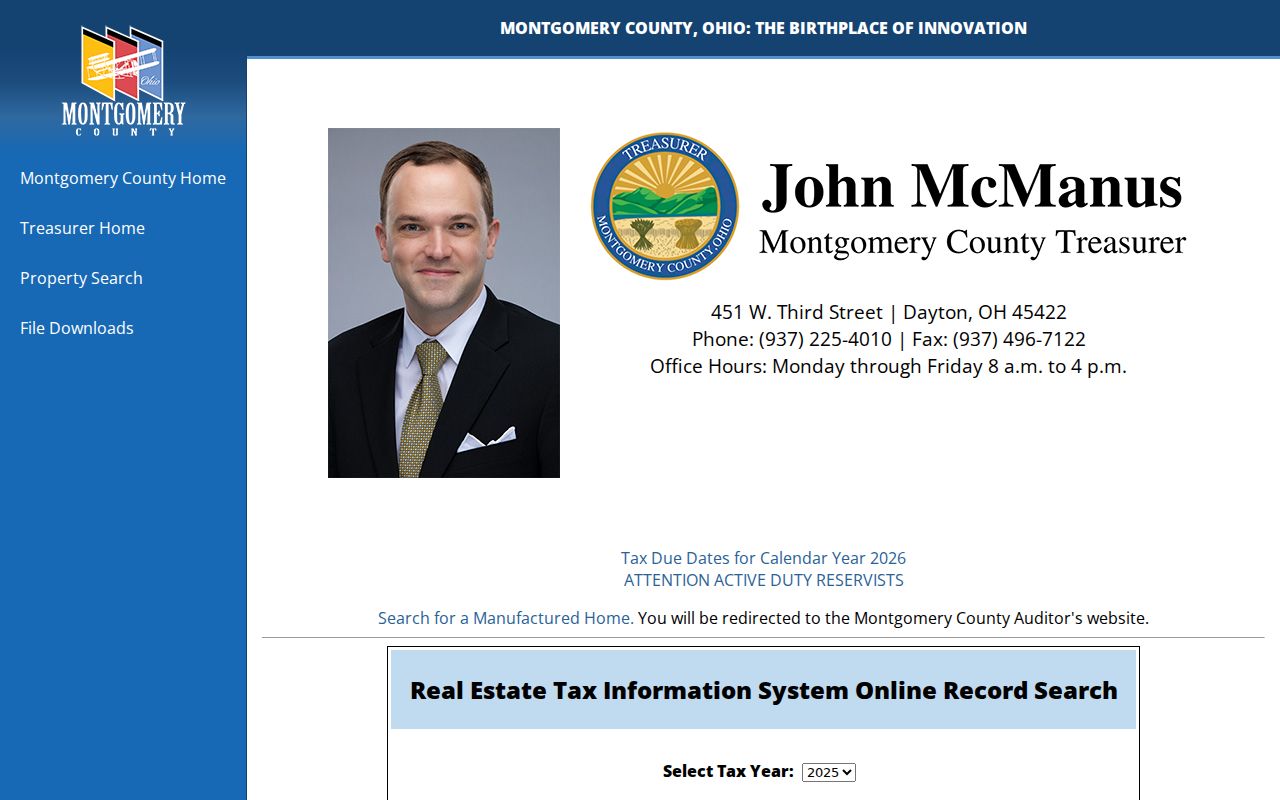
Choose one pathway at a time there: parcel ID, owner name, or property address. A tax bill can list up to two deeded owners plus "et al." That wording makes the bill a clue, never a substitute for the recorded deed in a Dayton residents directory search.
Dayton Records When Portals Stop
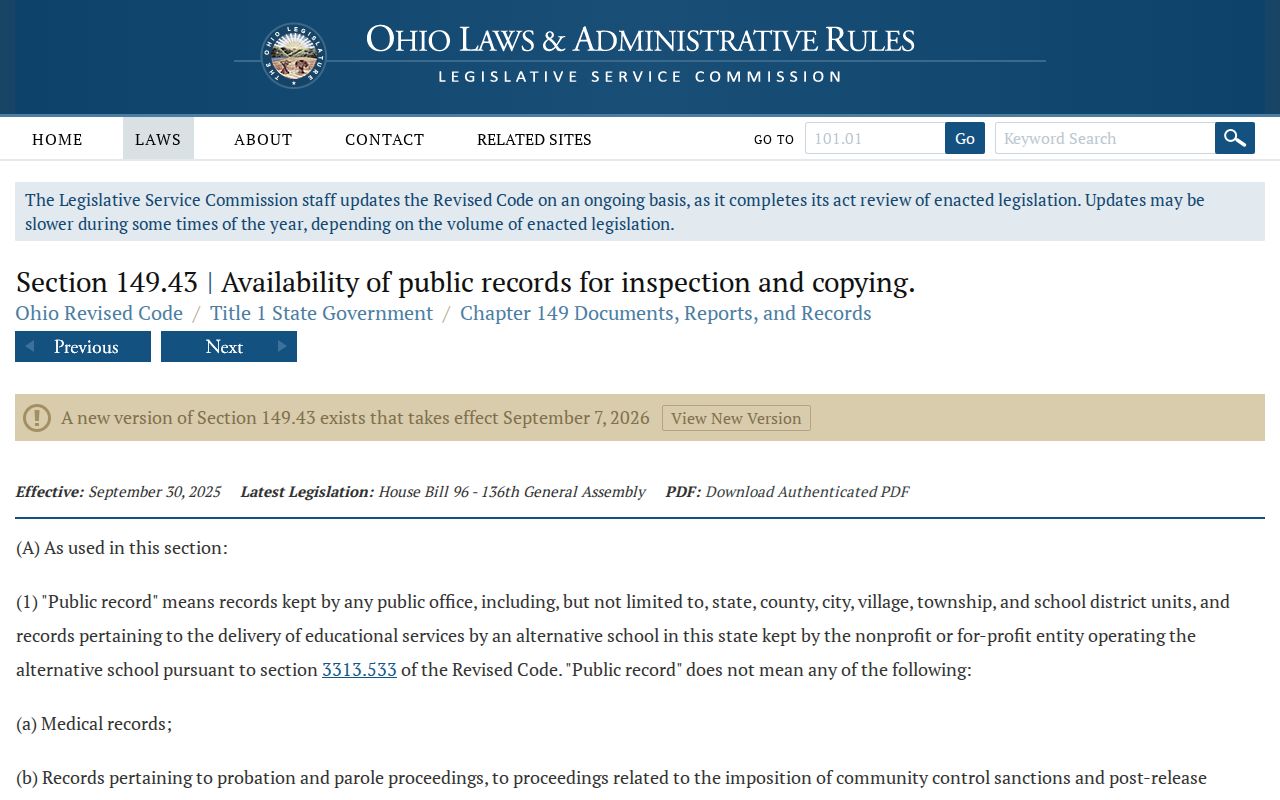
Ohio's Public Records Act, R.C. 149.43, obliges public offices to permit prompt inspection. It also requires copies within a reasonable period. Review work and lawful redaction can slow that clock. A requester normally need not state identity or intended use. The request that succeeds is specific. Name the custodian, the record type, an address or case number, the date range, and the format wanted. The County says routine records should be supplied immediately when feasible. Larger research requests get an acknowledgment spelling out expected time, cost, and any likely exemption. The Ohio Public Records Act text is the statewide rule. It stands behind this Dayton residents directory fallback.
Montgomery County's request page sorts county records to the right office. Births, deaths, court matters, permits, and tax liens each route to the custodian maintaining them. Paper copies cost ten cents per page. Email delivery is free. Mailed copies add only postage or supplies. That keeps a Dayton records request cheap.
Dayton's Historical Resident Directories
For earlier Dayton residents, the Dayton Room at the Main Library, 215 E. Third Street, is the starting point. Its local-history collection spans more than two centuries of Miami Valley material. City directories, maps, newspapers, photographs, and genealogy tools all sit in that one place. Staffed hours run Monday through Thursday, noon to 4 p.m., with appointments available. Open-stack genealogy material stays reachable during regular library hours. The catalog documents Polk and Haines city and criss-cross directory titles. Those volumes can connect a listed name to an address, or an address to a name or phone for applicable years. City directories are dated snapshots, nothing more. An entry may preserve initials, occupation, business or residence wording, and street context. Yet it cannot prove a current address. For complete collection runs, publisher history, entry-reading method, and household sequence, turn to the Dayton city directory resource. Pair a directory year with a parcel, deed, tax, census, obituary, or probate source. That beats treating a single listing as final for past residents of Dayton.
- Parcel
- A county identifier for a piece of land that links property, GIS, tax, and deed research.
- Index
- A finding tool that points to a record; it is not always the record image or a certified copy.
- Criss-cross directory
- A directory arranged by street or address rather than only by a person's name.
- Roll
- A list maintained for one administrative purpose, such as registration or taxation, not a full resident census.
Dayton Death and Probate Leads
Deaths and estates scatter across several keepers, and each answers a different question. Public Health - Dayton & Montgomery County handles local birth and death service, while the Ohio Department of Health is the state channel. Montgomery County Probate Court issues marriage licenses and holds local marriage records. The Clerk's office is the route for divorce decrees. The County archive keeps local birth and death material from 1867 through 1908. Ohio state registration begins in 1908, so the two runs meet cleanly. The Ohio History Connection death index covers 1913-1944 and 1954-1970, with a gap between those spans. For a different angle on a Dayton records inquiry, the Ohio Department of Rehabilitation and Correction search is a separate, time-sensitive custody tool sometimes encountered along the way.
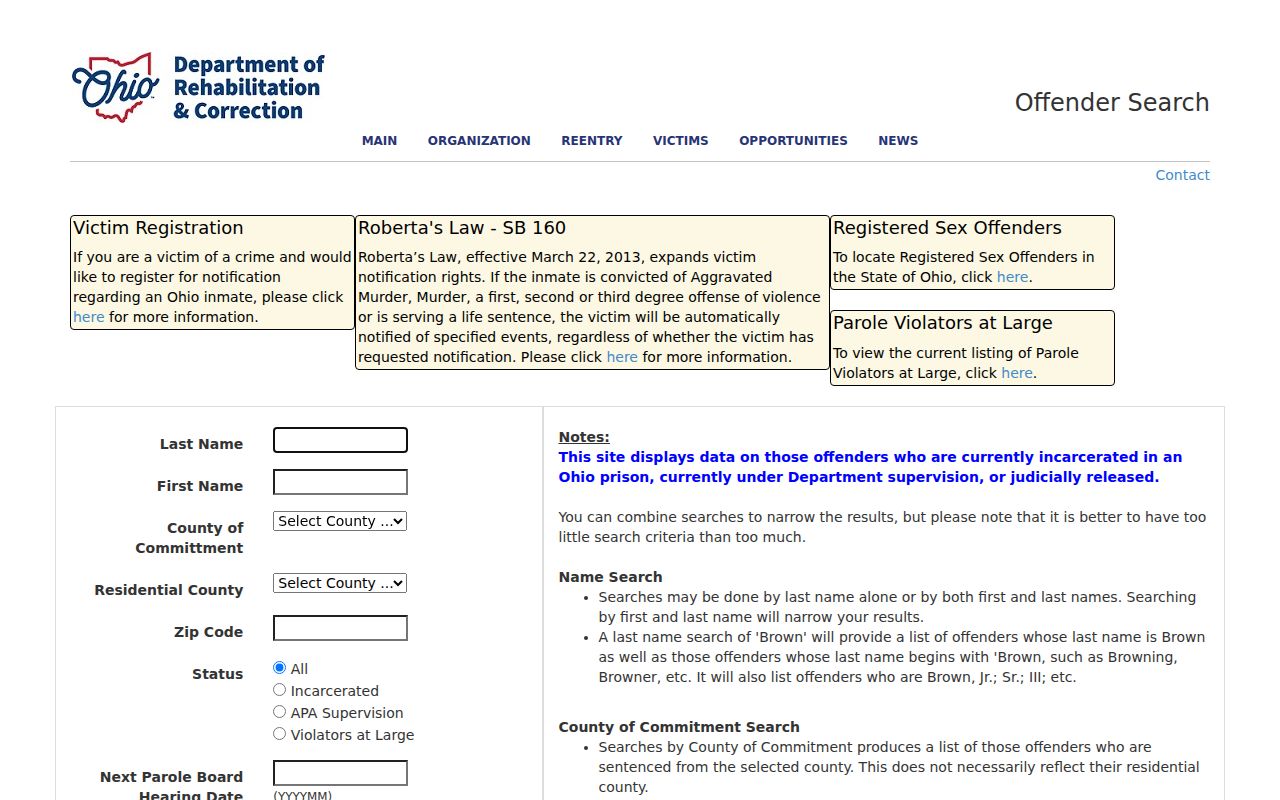
That state locator is not a complete criminal-history file. Nor does it establish a Dayton address. For historic death notices, HOBITS works as a citation index rather than full text. Give the Dayton Room the full citation when requesting a copy, and keep requests to no more than three at a time.
Dayton Deed Alerts Add a Check
The Montgomery County Recorder's Fraud Alert Notification program is known as FAN. It warns an owner when a document is recorded under a monitored name. It is a safety notice only, not a title decision or an accusation. An unexpected alert should send you back to the Recorder. The recorded image is there for independent verification. The Recorder announced a fraud pre-check before the Auditor transfers a quitclaim deed in February 2025. That change makes the normal parcel-to-Recorder sequence especially important for any Dayton property question. March 2025 activity was reported in the Recorder's April newsletter. It totaled 5,978 records, including 1,568 deeds and 1,371 e-recordings. Volume like that shows why a dated Recorder check beats an old directory listing. A copied claim proves nothing without the recorded record behind it. The Dayton residents directory approach always returns to the Recorder's own rolls.
Dayton Resident Records Have Limits
Official records beat commercial people-finder listings. They name the keeper, the date, and the scope. Even so, no single record shows a whole household. A tax mail-to address only proves where a bill went, not where a person lives. Documents can be wrong or stale. Some cover just one transaction. Others are sealed, redacted, or shielded by law. A voter lookup never reveals how anyone voted. When a result truly matters, note the source date and go back to the custodian.
| Official source | Useful evidence | Key limit |
|---|---|---|
| Auditor or Treasurer | Parcel and tax context | Owner and mailing data may differ from occupancy. |
| Recorder | Recorded party and legal description | Instrument participation is not current residence. |
| Voter search | Named registration confirmation | Protected fields and addresses are excluded. |
| Dayton Room or archive | Historic person and address leads | A historical entry is tied to its own date. |
Lawful use. Use Dayton records for personal, lawful research and never to stalk, harass, intimidate, or harm another person. Ohio's Safe at Home program and court protections can lawfully restrict access.